01 · Align
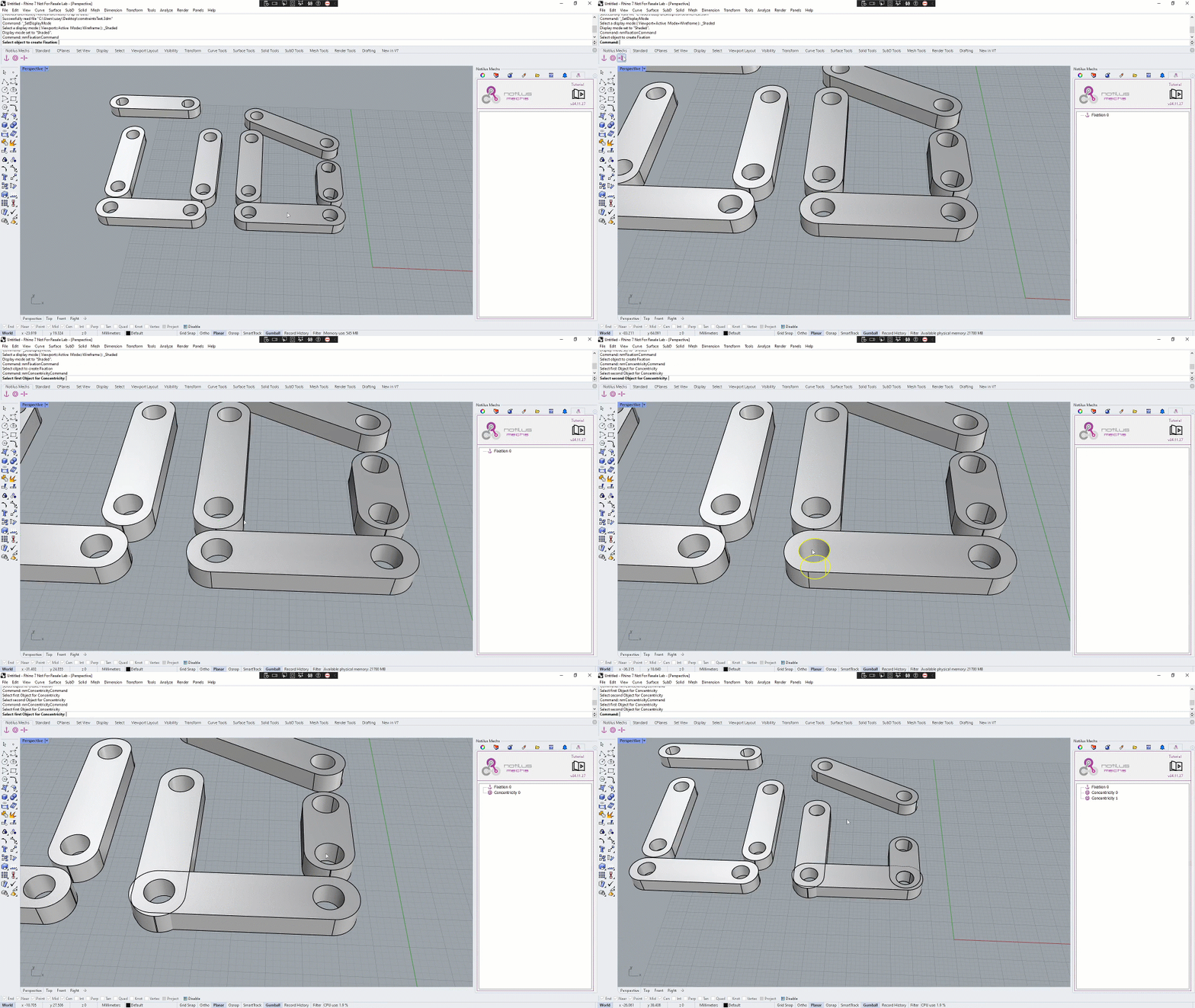
Concentricity
Align two circular components by matching their centres — precise concentric placement for shafts, hinges and bearings.
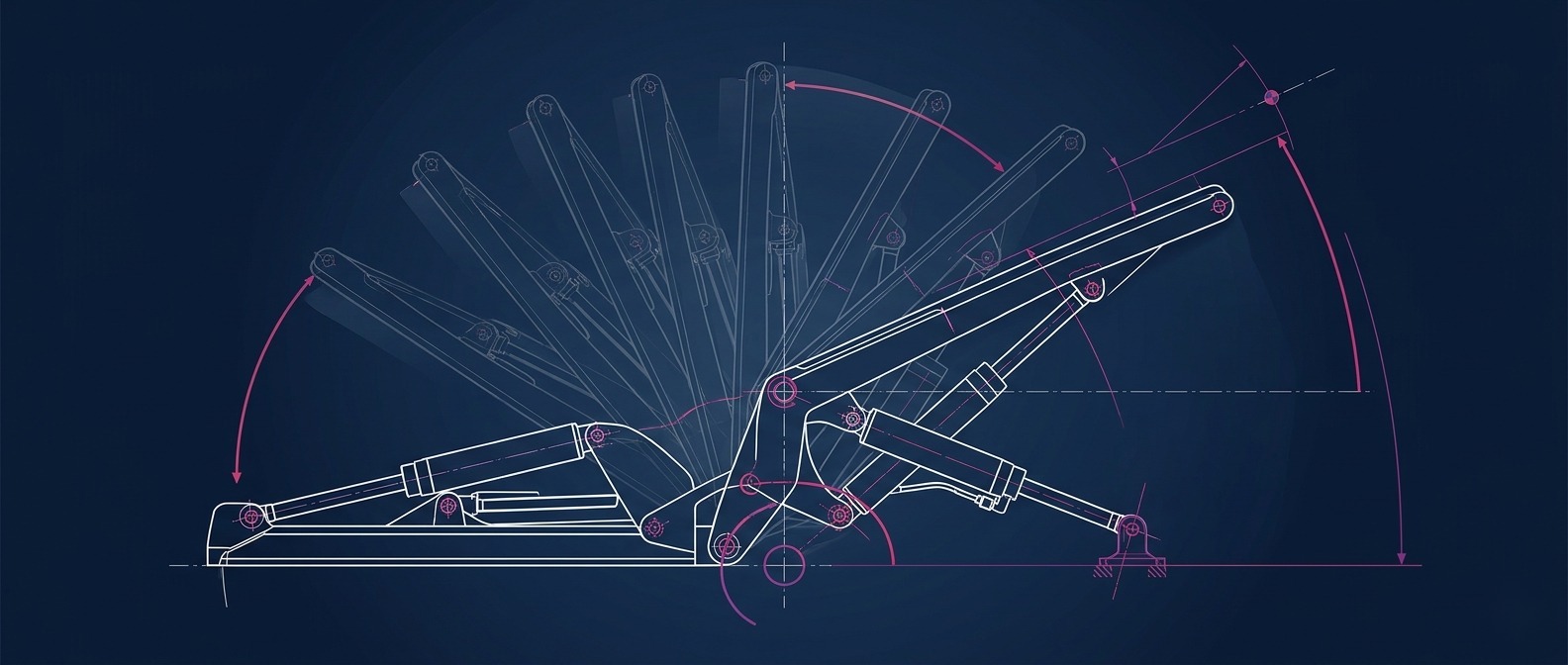
From concentricity to real-time motion — pictured here as it runs natively inside Rhinoceros.
Align two circular components by matching their centres — precise concentric placement for shafts, hinges and bearings.
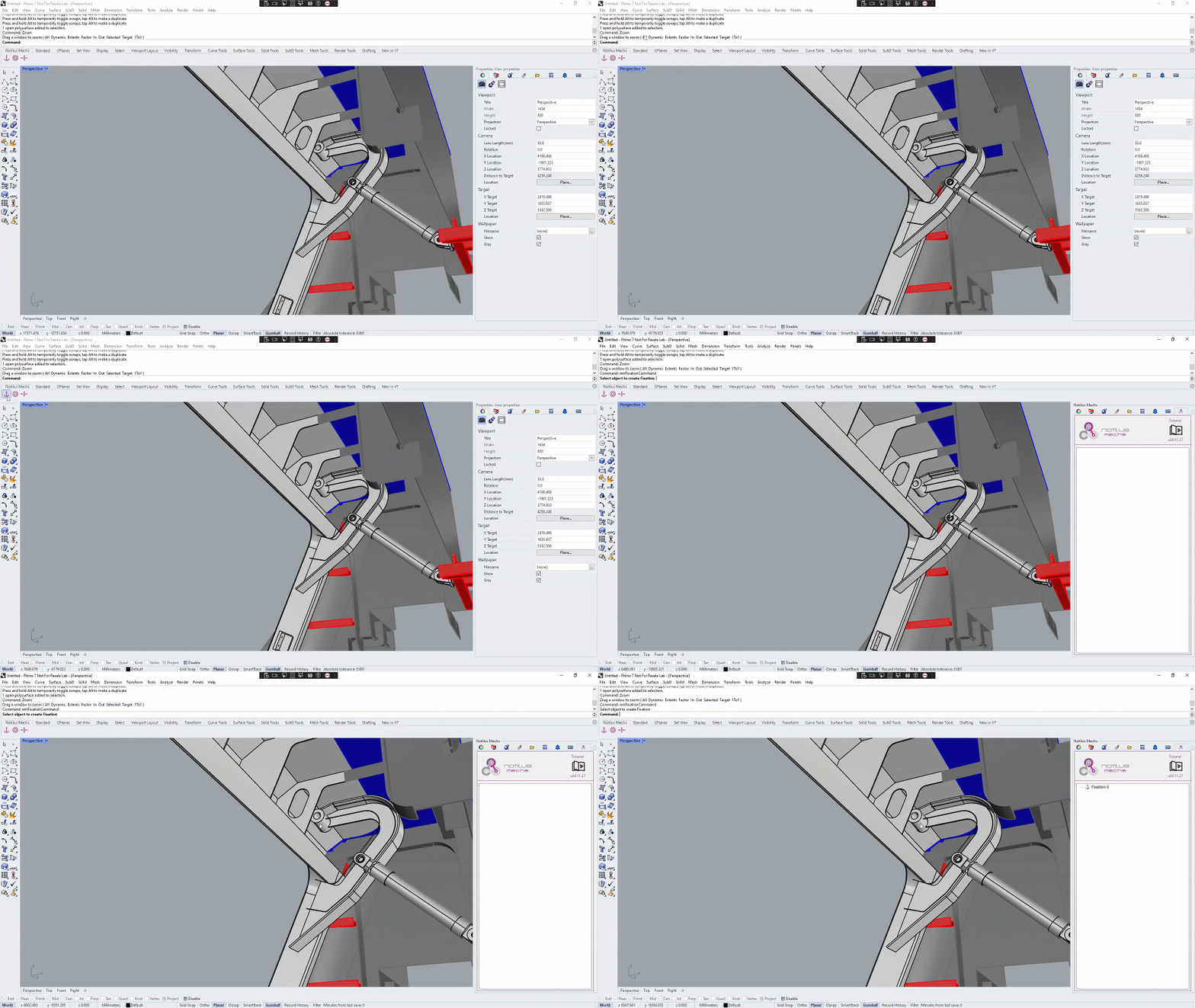
Place selected parts in exact contact by aligning reference points or surfaces — eliminates gaps and overlaps in seconds.
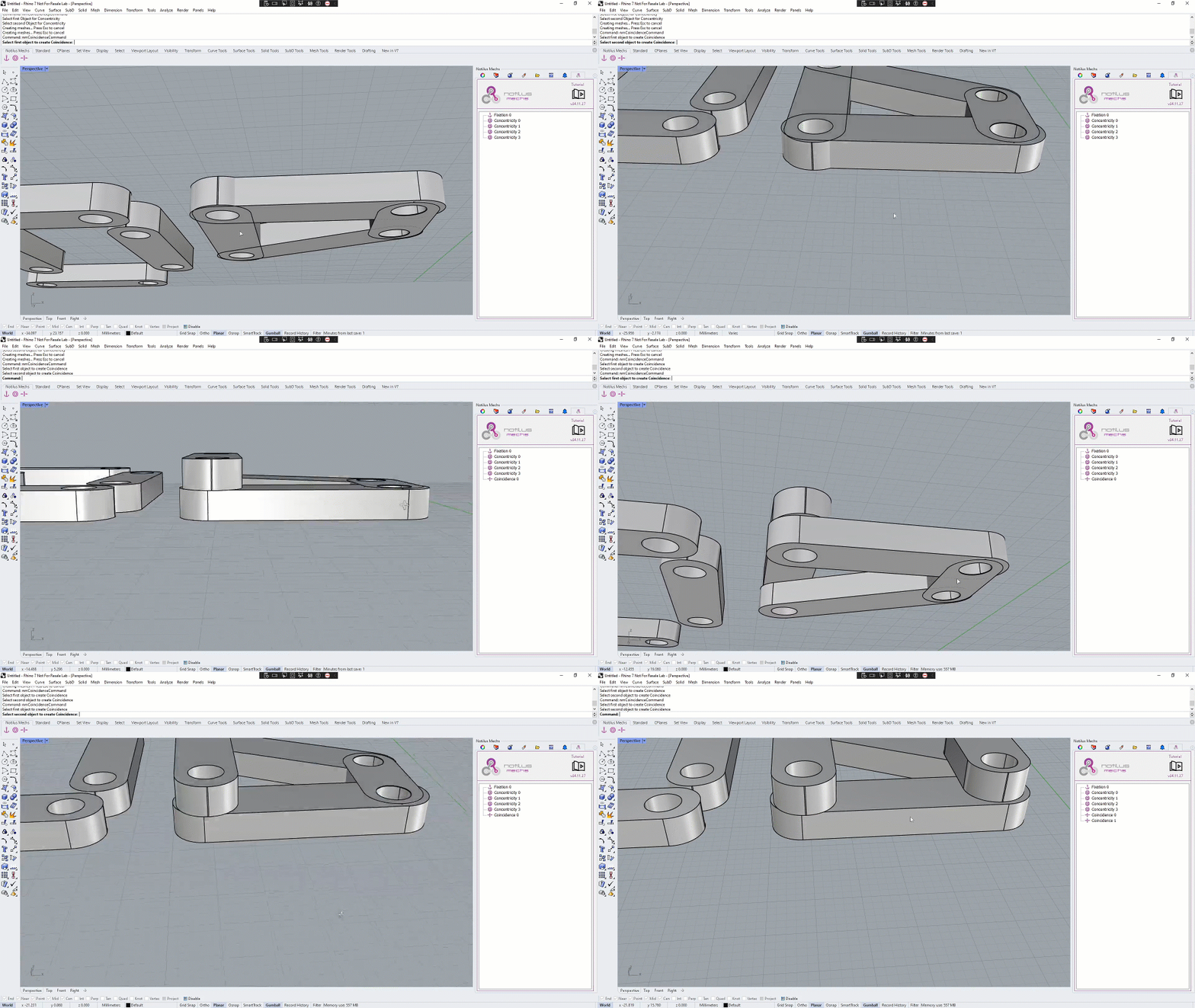
Linear alignment between selected objects — clean, structured layouts with minimal manual adjustment.
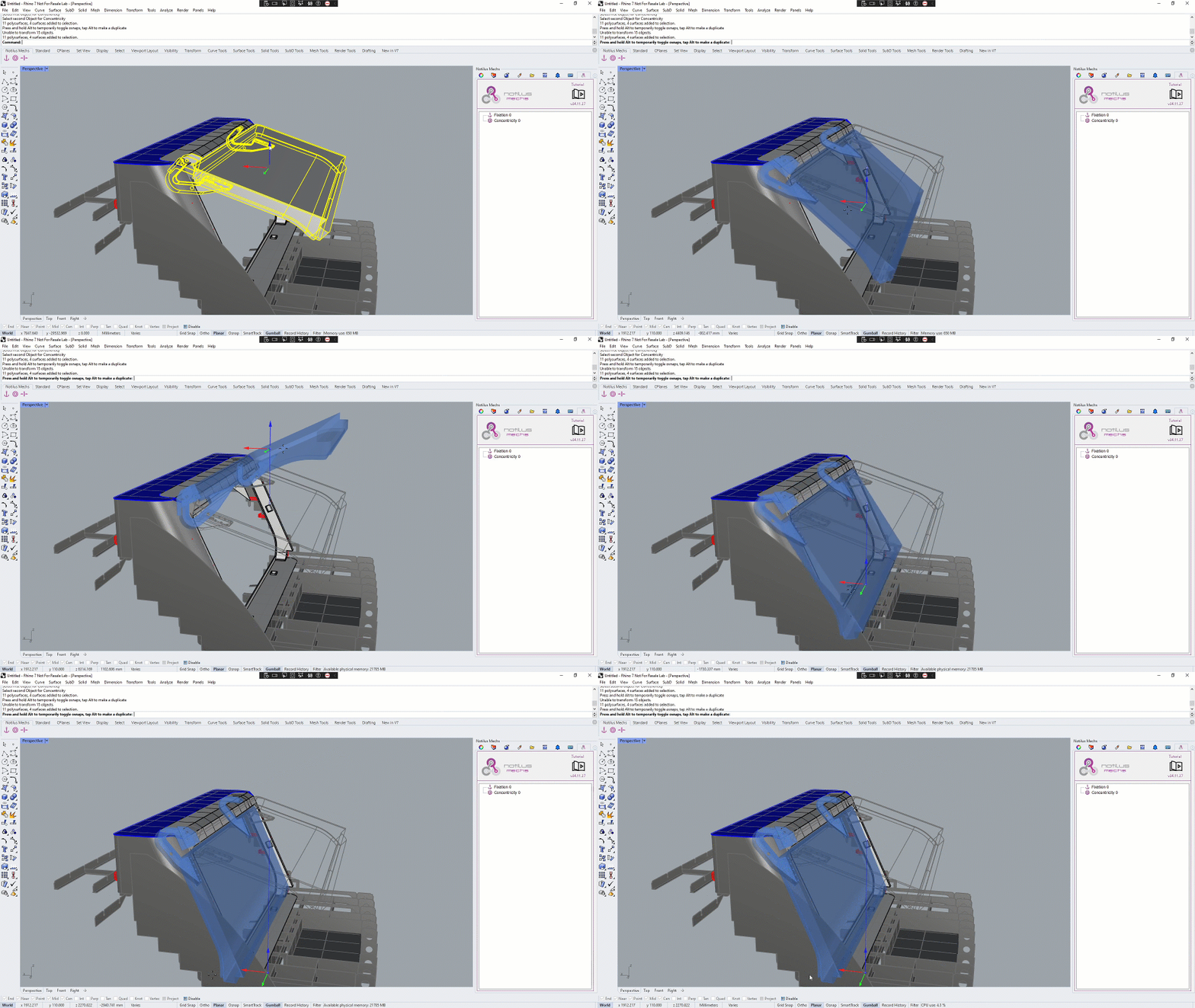
Instantly simulate movement of components with live feedback — evaluate function as you design.
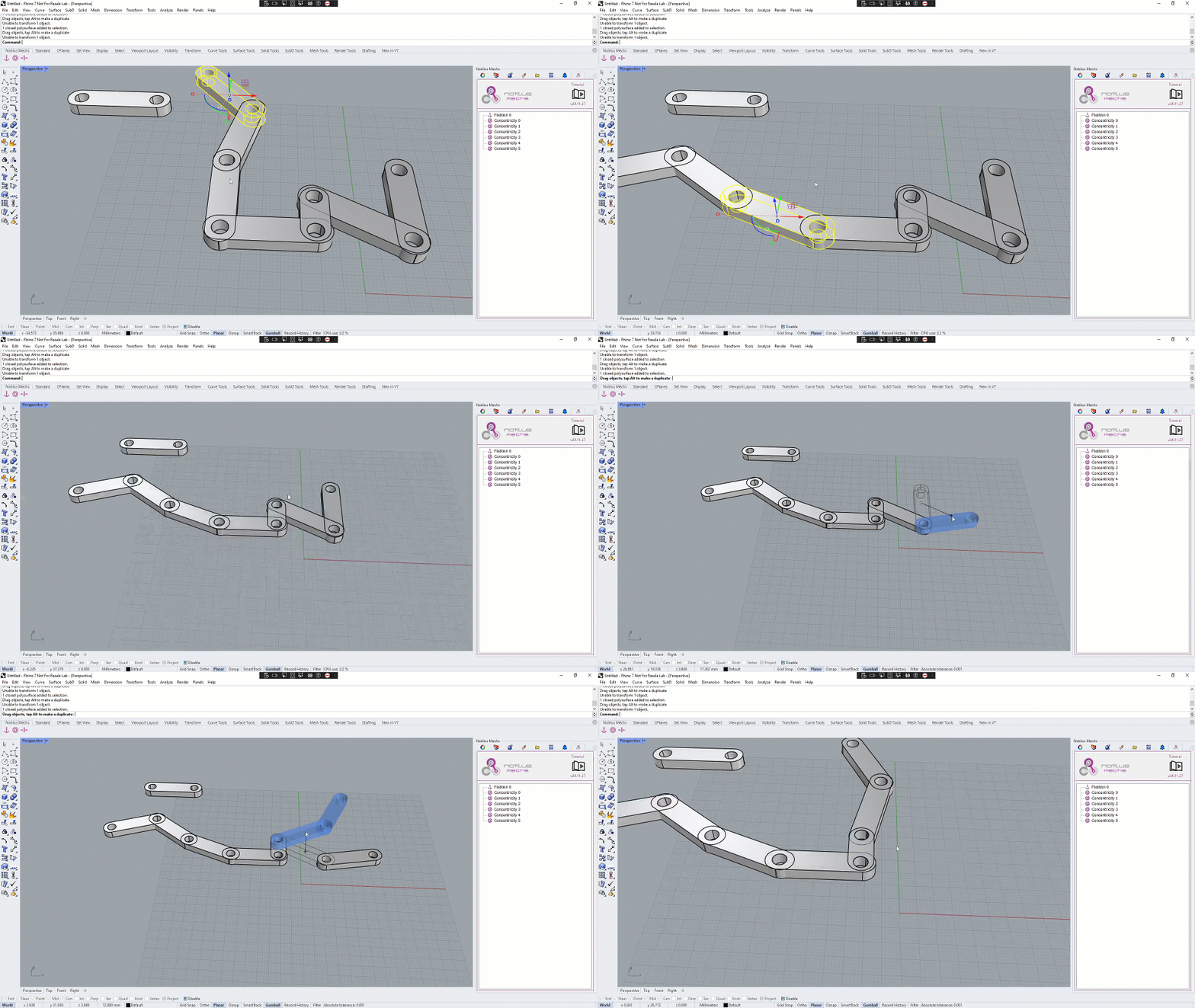
Manually move components to test behaviour against defined limits and constraints — interactive validation.
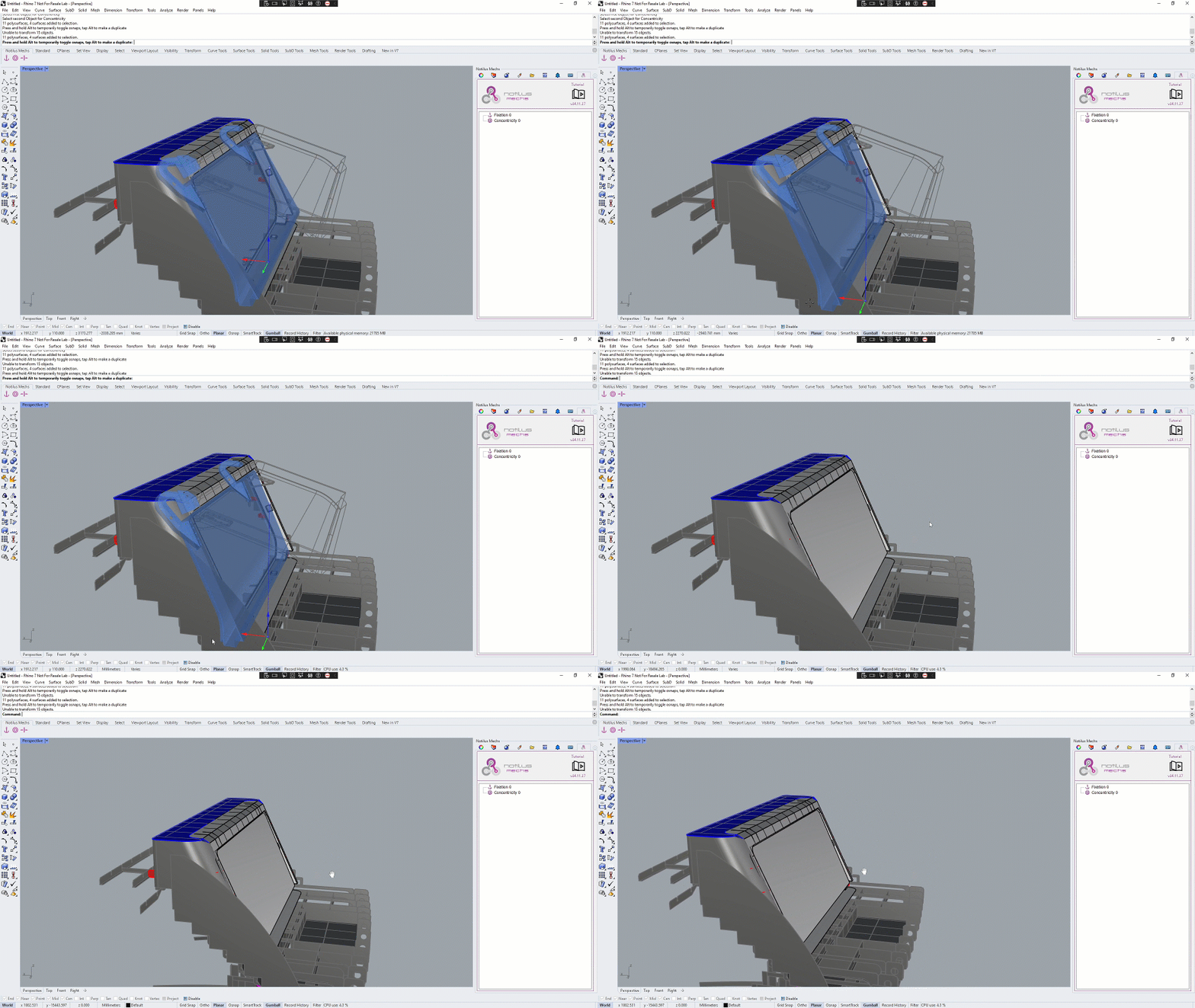
Set dynamic movement or rotation boundaries for selected components — simulate realistic mechanical constraints.
Pick concentricity, fixation and coincidence constraints — set up the kinematic relationships in seconds.
Apply movement or rotation limits so the mechanism behaves like its real-world counterpart.
Run the simulation and see live motion in the Rhino viewport — collisions, range and interaction at full speed.
Manually drag components to test edge cases — refine constraints until the mechanism is production-ready.
A 15-day evaluation license is issued by the engineering team. Tell us about the vessel and the plug-ins you'd like to try — we reply within one working day.
Notilus Mechs works best against a fully detailed vessel model — the richer the geometry, the more meaningful the simulation.
Steel structure — constrain hinges, rams and moving panels on a hull's steelwork without leaving Rhinoceros.
Piping & HVAC — verify clearances when valves, dampers and hatches move through the routing space.
Workshop drawings — capture motion ranges and constraint reports onto title-block sheets ready for issue.